Some links on this page are affiliate links. We earn a commission if you sign up – at no additional cost to you. Our editorial assessment is independent and never paid. How we review.
No-Code Scraper is one of no-code scrapers tracked in the webscrape.dev directory. This page covers what changes when you pick one of the alternatives below instead of No-Code Scraper.
Looking at the 3 alternatives below relative to No-Code Scraper: 3 of the 3 alternatives sit on a cheaper pricing tier than No-Code Scraper; 3 have a free or freemium tier you can validate without a sales call. The full No-Code Scraper review covers pricing, features, and editorial assessment in detail – this page is the lateral comparison.
The order below reflects fit for AI product teams, not a ranked-list verdict. Each alternative is reviewed independently in its own directory entry; the prose here summarizes the trade against No-Code Scraper specifically.
No-Code Scraper is one of 23 no-code scrapers with a dedicated alternatives breakdown. If you're still narrowing the shortlist, the comparisons below cover the same category from a different anchor tool.
What are the best alternatives to No-Code Scraper?
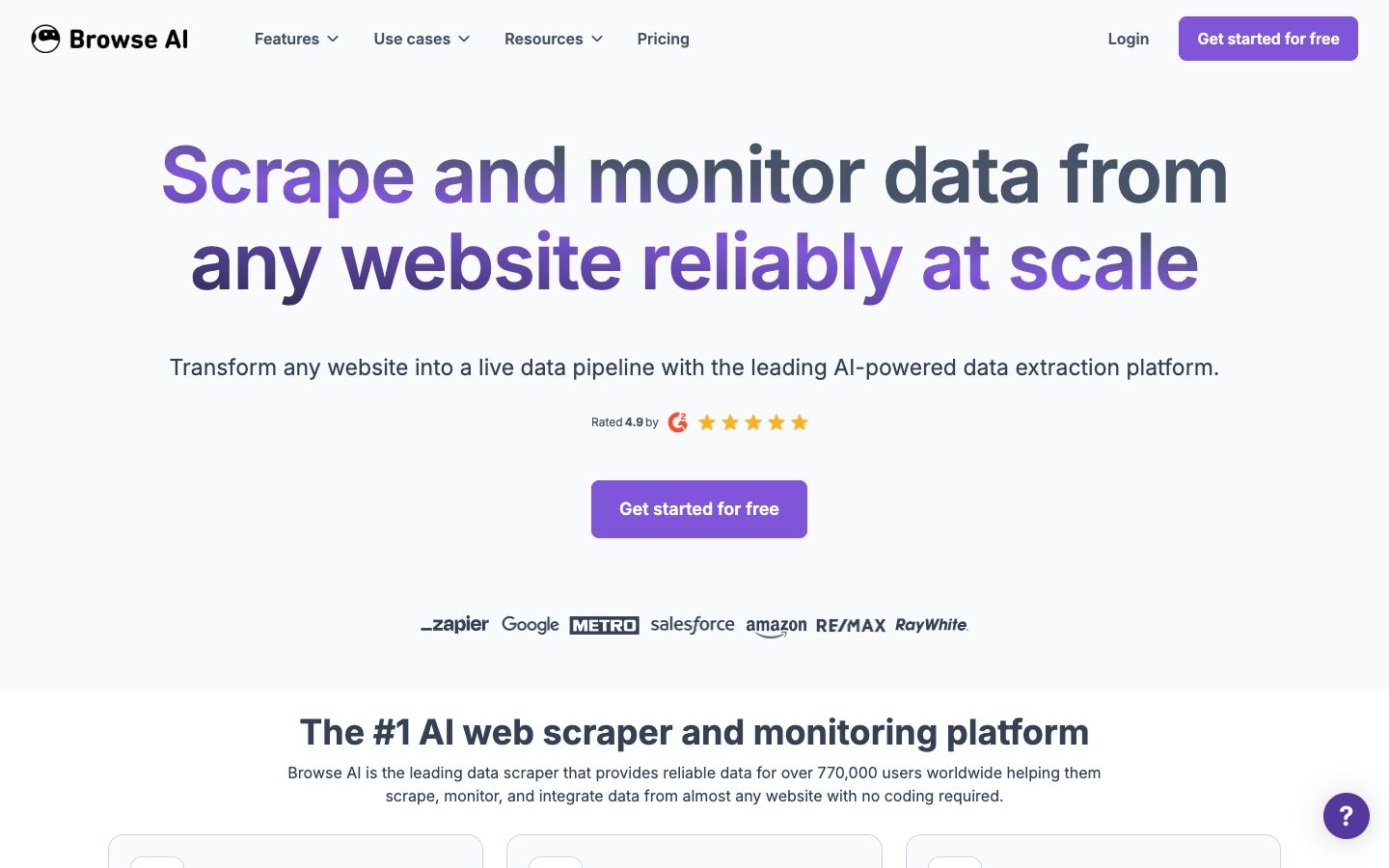
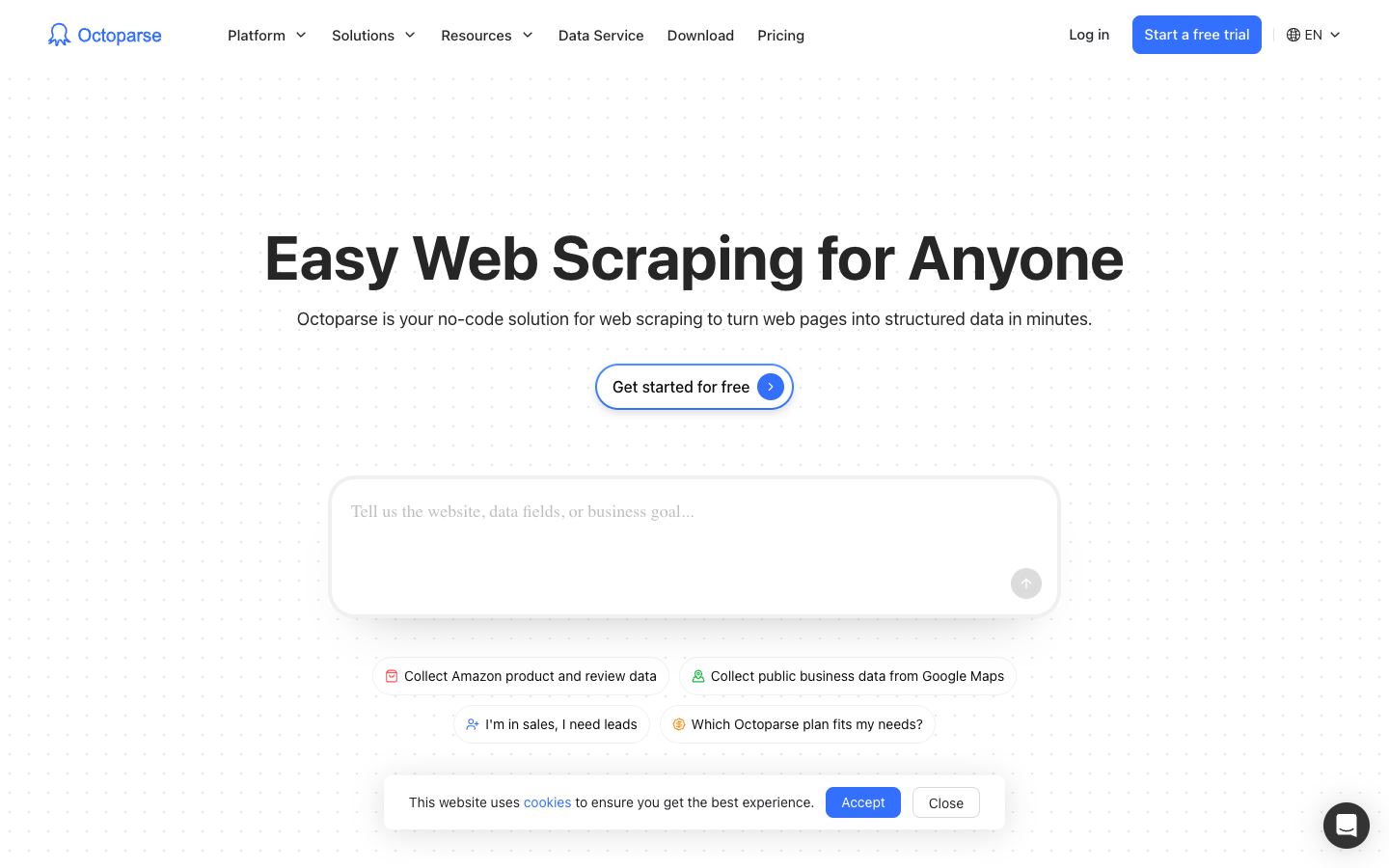
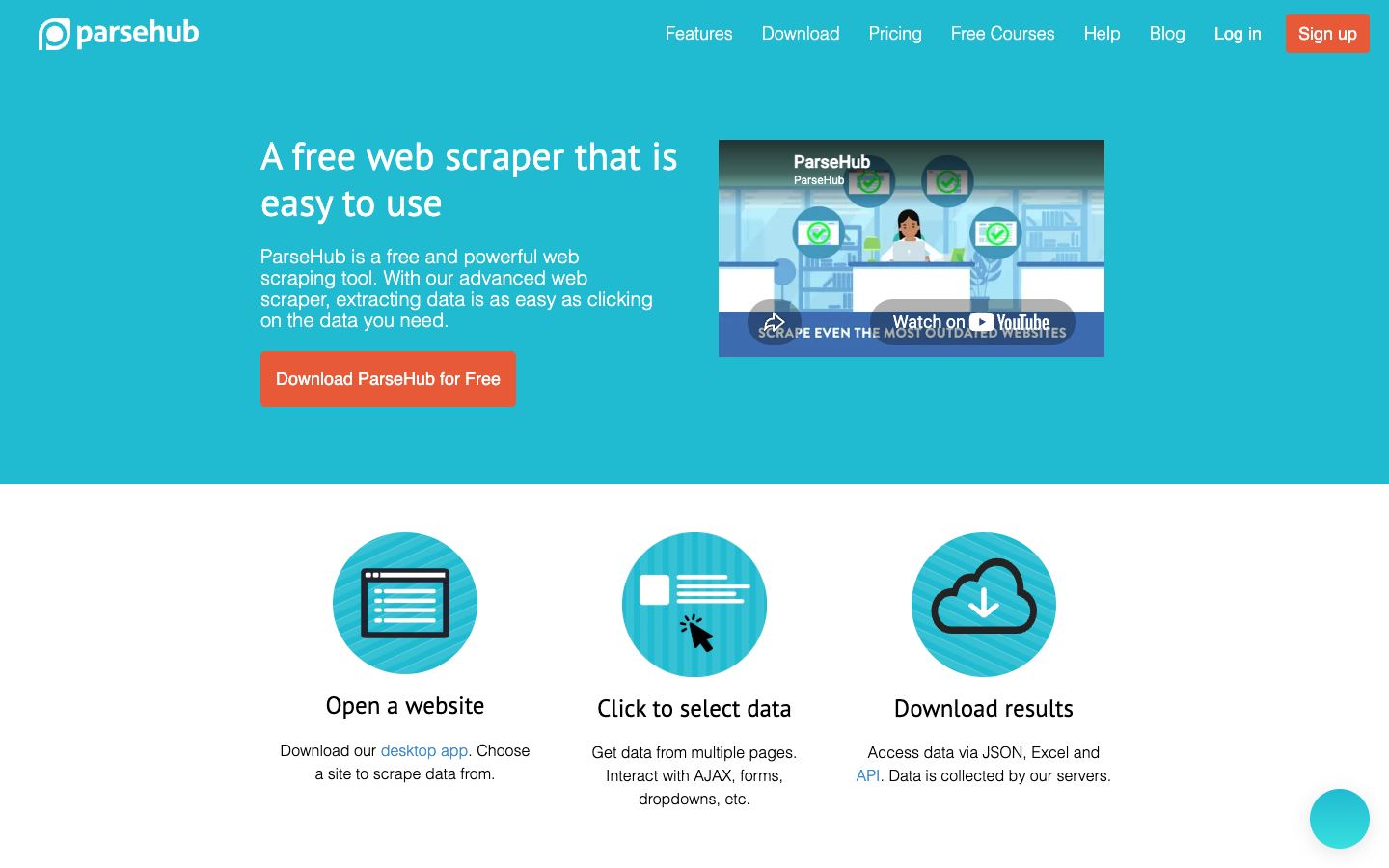
The leading alternatives to No-Code Scraper include Browse AI, Octoparse, ParseHub. Each takes a different approach to no-code scrapers, and the right choice depends on your pricing tolerance, feature requirements, and integration constraints.
Which No-Code Scraper alternative is cheapest?
Browse AI offers a free tier. Browse AI is another no-code, AI-assisted scraper that uses point-and-click training and prebuilt templates for common sites.
Is No-Code Scraper open source? What about its alternatives?
Neither No-Code Scraper nor its listed alternatives are open source – all are commercial hosted services. If open source is a hard requirement, browse our open-source frameworks category.
When should I switch from No-Code Scraper?
Common reasons to evaluate alternatives: pricing scaling beyond your budget, missing features (JS rendering, structured output, self-hosting), reliability concerns, or vendor risk. The alternatives below differ on these axes – read the editorial assessment to identify which one matches your situation.