webscrape.dev

node-crawler Alternatives

3 independently reviewed crawling frameworks for AI builders evaluating alternatives to node-crawler.

Nathan Kessler
Maintained by Nathan Kessler·Updated

Some links on this page are affiliate links. We earn a commission if you sign up – at no additional cost to you. Our editorial assessment is independent and never paid. How we review.

node-crawler is one of crawling frameworks tracked in the webscrape.dev directory. This page covers what changes when you pick one of the alternatives below instead of node-crawler.

Looking at the 3 alternatives below relative to node-crawler: 3 have a free or freemium tier you can validate without a sales call. The full node-crawler review covers pricing, features, and editorial assessment in detail – this page is the lateral comparison.

The order below reflects fit for AI product teams, not a ranked-list verdict. Each alternative is reviewed independently in its own directory entry; the prose here summarizes the trade against node-crawler specifically.

At a glance

ToolPricingJS renderOpen sourceSelf-host
node-crawlerFreeNoYesYes
CrawleeFreeYesYesYes
PuppeteerFreeYesYesYes
Beautiful SoupFreeNoYesYes

The alternatives

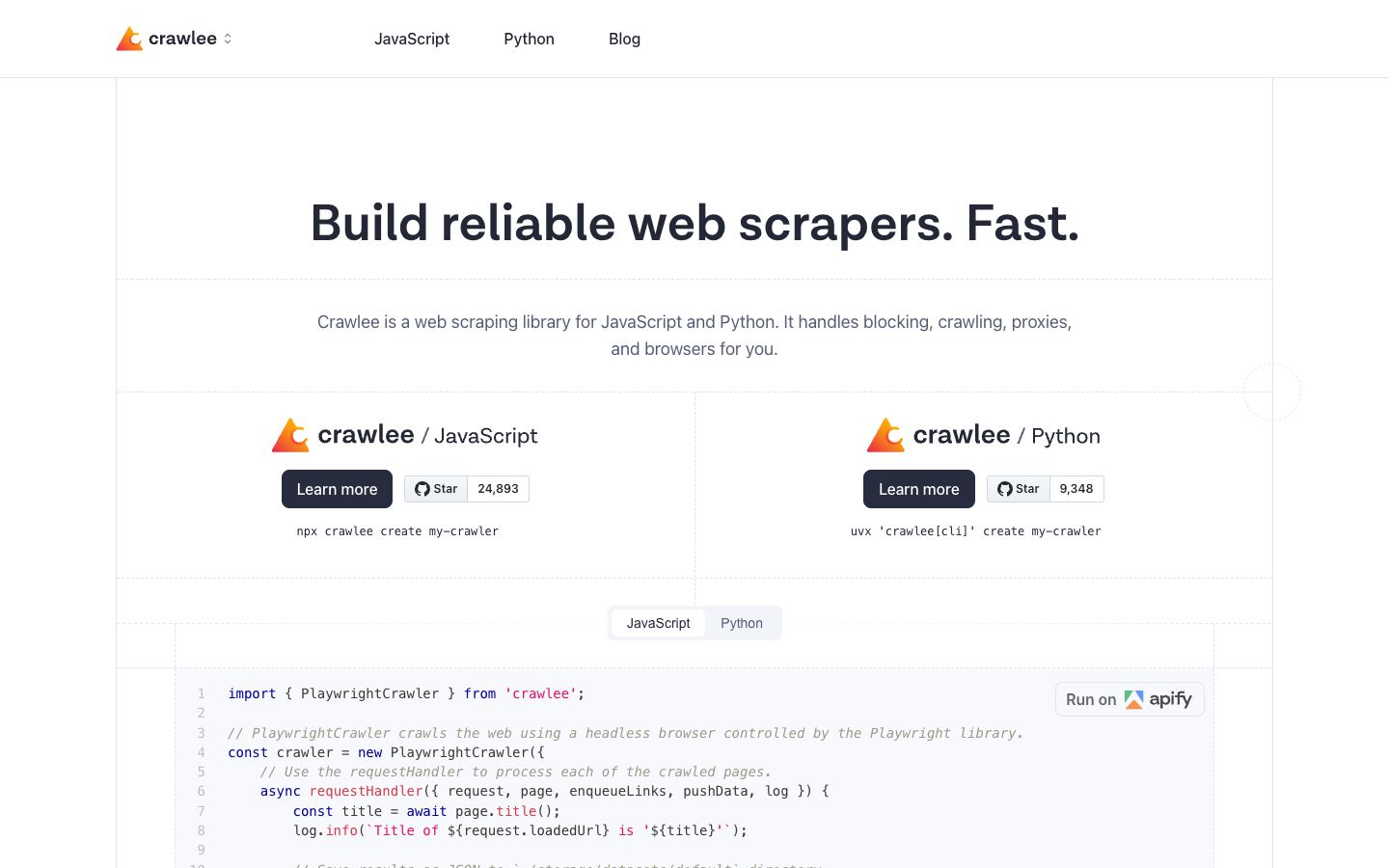
  1. Crawlee is another Node.js/TypeScript crawling toolkit with a queue and automatic retries, but it adds optional headless-browser rendering that node-crawler lacks.

    Crawlee website
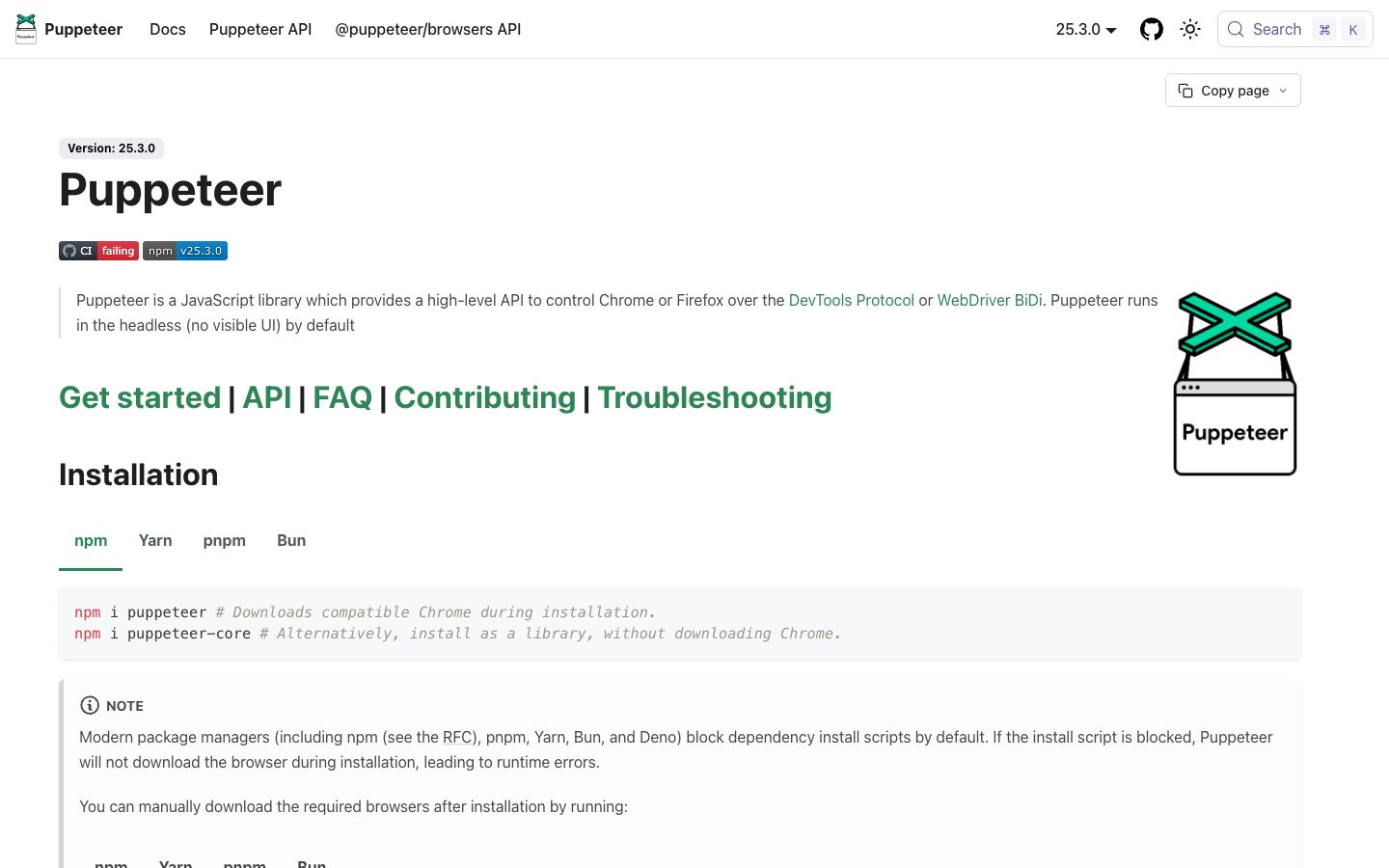
  2. Puppeteer is the Node.js choice when a site needs client-side JavaScript rendered, something node-crawler can't do on its own.

    Puppeteer website
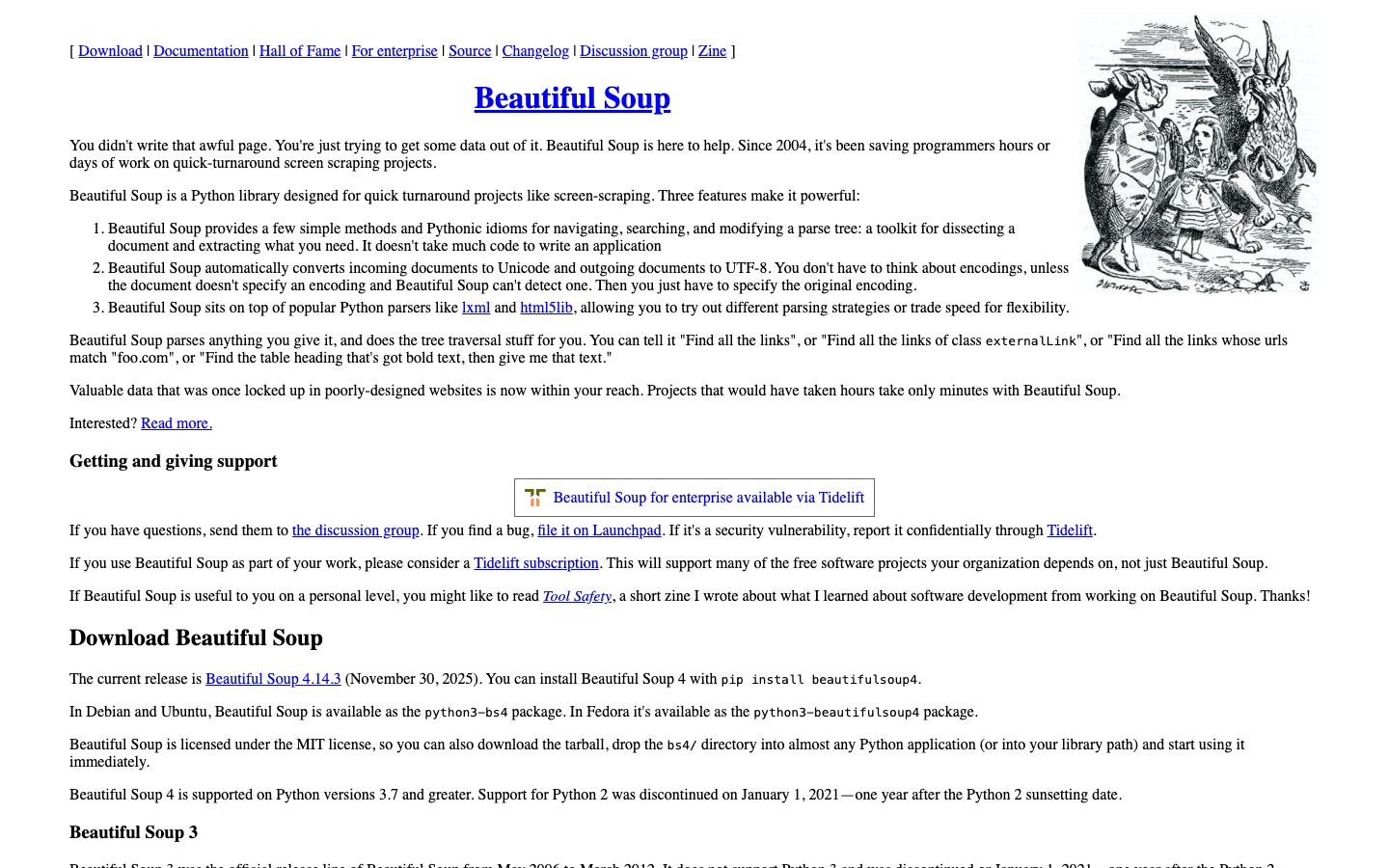
  3. Beautiful Soup takes the same server-side HTML-parsing approach as node-crawler's Cheerio integration, but for Python instead of Node.js.

    Beautiful Soup website

How node-crawler compares

The dimensions below summarise where node-crawler sits versus the 3 alternatives on each axis that typically drives a switch decision.

Pricing posture
Every listed alternative is at node-crawler's price tier or above. Switching for cost alone won't help.
Open source coverage
node-crawler is commercial, every listed alternative is open source. Migration trades convenience for control.
Free entry tier
Every alternative offers a free or freemium tier. Each is testable without procurement.
JS rendering
node-crawler does not render JavaScript; 2 alternatives do. Switch up if you need SPA coverage out of the box.
Structured output
Neither node-crawler nor the alternatives return structured output natively. Plan for an extraction layer either way.
Self-hosting
node-crawler self-hosts and so does every alternative. Pick on ecosystem fit, not deployment model.

Reviewing node-crawler itself?

Our full node-crawler review covers pricing, features, and editorial assessment in detail. Read the node-crawler review

Other crawling frameworks alternatives

node-crawler is one of 12 crawling frameworks with a dedicated alternatives breakdown. If you're still narrowing the shortlist, the comparisons below cover the same category from a different anchor tool.

Frequently asked questions

What are the best alternatives to node-crawler?

The leading alternatives to node-crawler include Crawlee, Puppeteer, Beautiful Soup. Each takes a different approach to crawling frameworks, and the right choice depends on your pricing tolerance, feature requirements, and integration constraints.

Which node-crawler alternative is cheapest?

Crawlee is fully free. Crawlee is another Node.js/TypeScript crawling toolkit with a queue and automatic retries, but it adds optional headless-browser rendering that node-crawler lacks.

Is node-crawler open source? What about its alternatives?

node-crawler, Crawlee, Puppeteer, Beautiful Soup are open source. The remaining options are commercial hosted services. Open source gives you full control but requires self-hosting and maintenance.

When should I switch from node-crawler?

Common reasons to evaluate alternatives: pricing scaling beyond your budget, missing features (JS rendering, structured output, self-hosting), reliability concerns, or vendor risk. The alternatives below differ on these axes – read the editorial assessment to identify which one matches your situation.