webscrape.dev

Playwright Alternatives

3 independently reviewed crawling frameworks for AI builders evaluating alternatives to Playwright.

Nathan Kessler
Maintained by Nathan Kessler·Updated

Some links on this page are affiliate links. We earn a commission if you sign up – at no additional cost to you. Our editorial assessment is independent and never paid. How we review.

Playwright is one of crawling frameworks tracked in the webscrape.dev directory. This page covers what changes when you pick one of the alternatives below instead of Playwright.

Looking at the 3 alternatives below relative to Playwright: 3 have a free or freemium tier you can validate without a sales call. The full Playwright review covers pricing, features, and editorial assessment in detail – this page is the lateral comparison.

The order below reflects fit for AI product teams, not a ranked-list verdict. Each alternative is reviewed independently in its own directory entry; the prose here summarizes the trade against Playwright specifically.

At a glance

ToolPricingJS renderOpen sourceSelf-host
PlaywrightFreeYesYesYes
PuppeteerFreeYesYesYes
SeleniumFreeYesYesYes
CrawleeFreeYesYesYes

The alternatives

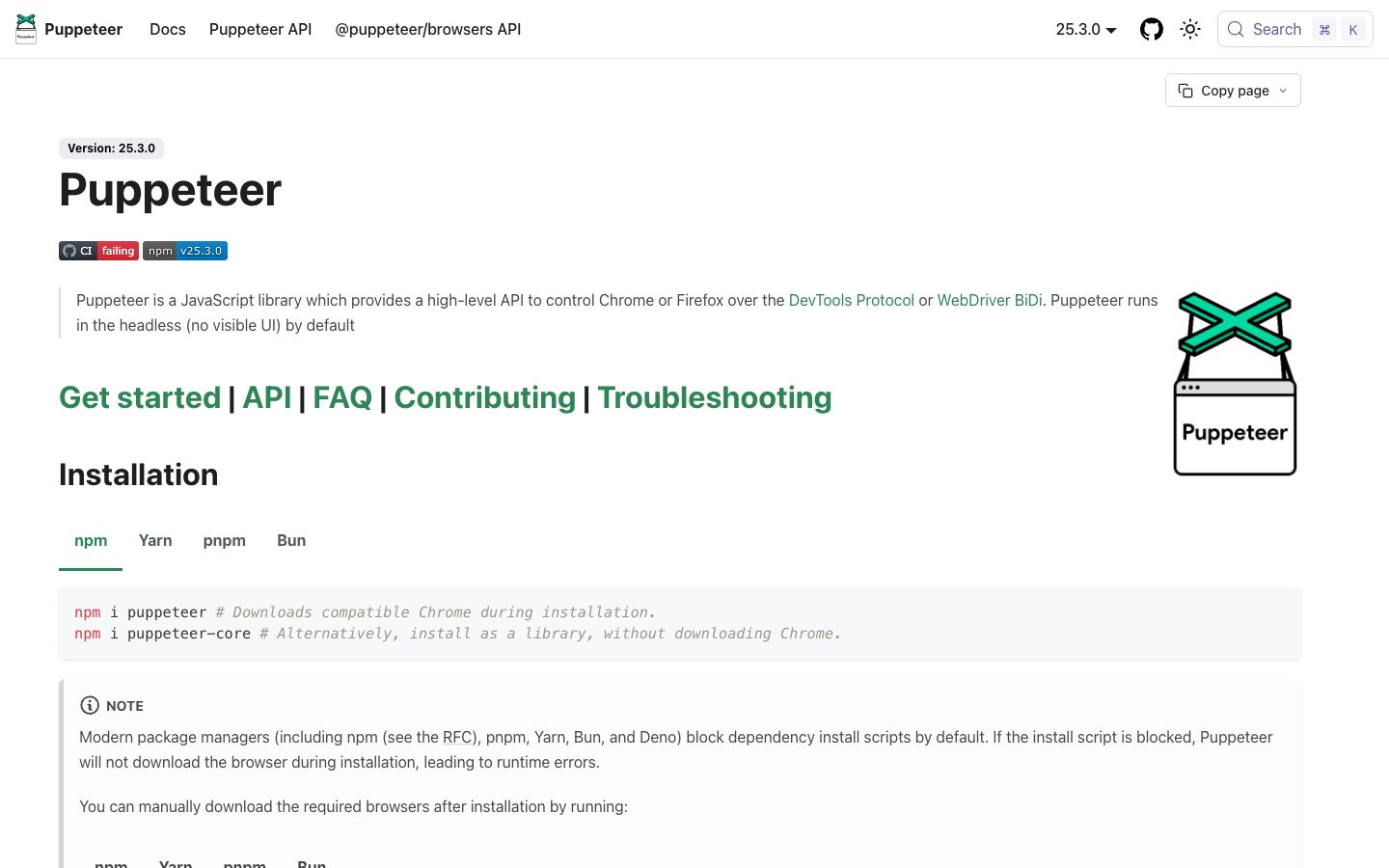
  1. Puppeteer is Google's Node.js library for driving headless Chrome and Chromium. It's a narrower API, better suited to teams that only need Chromium coverage.

    Puppeteer website
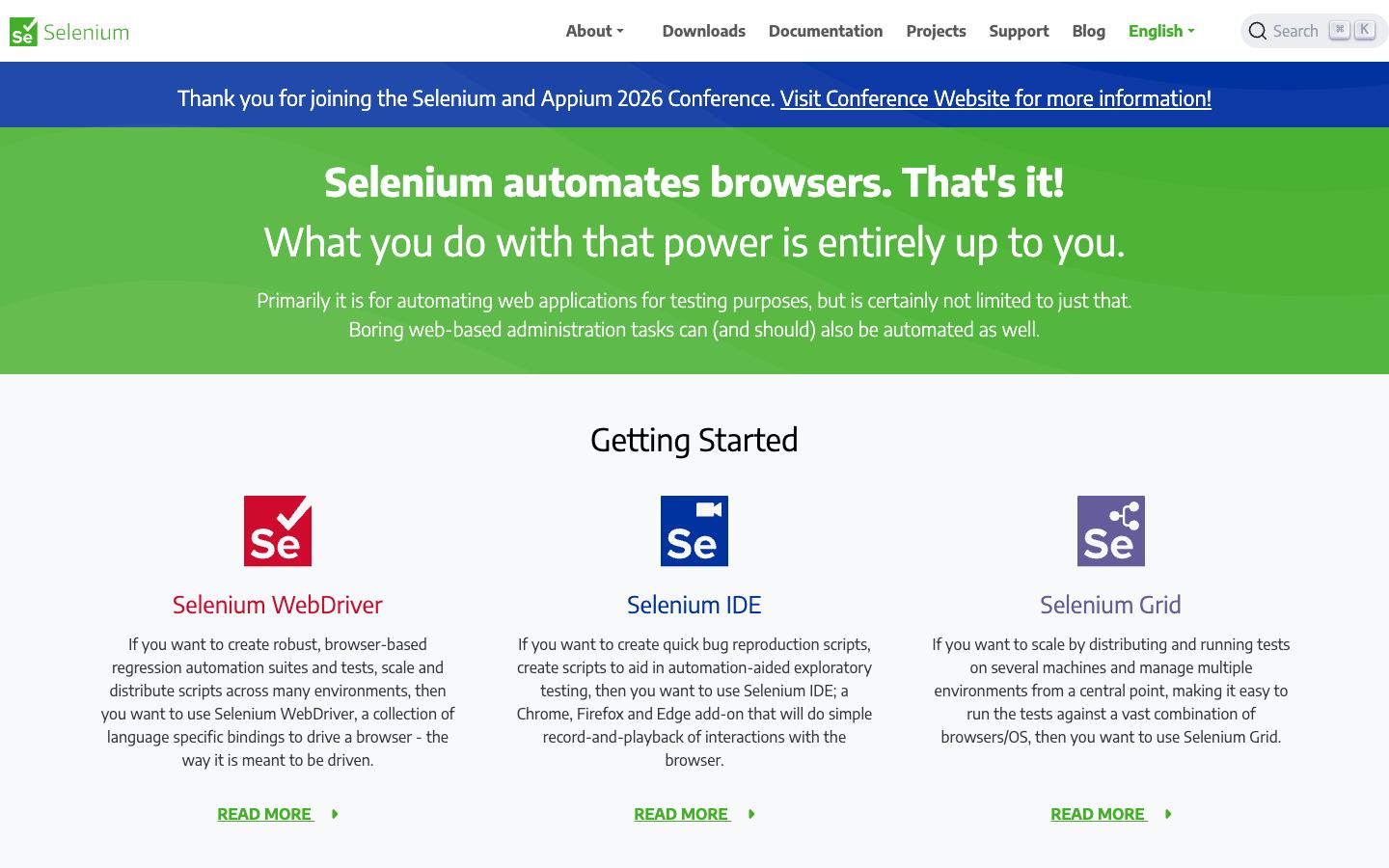
  2. Selenium is the older WebDriver standard, broadly adopted with bindings across more languages and browsers, but it lacks Playwright's built-in auto-waiting and trace tooling.

    Selenium website
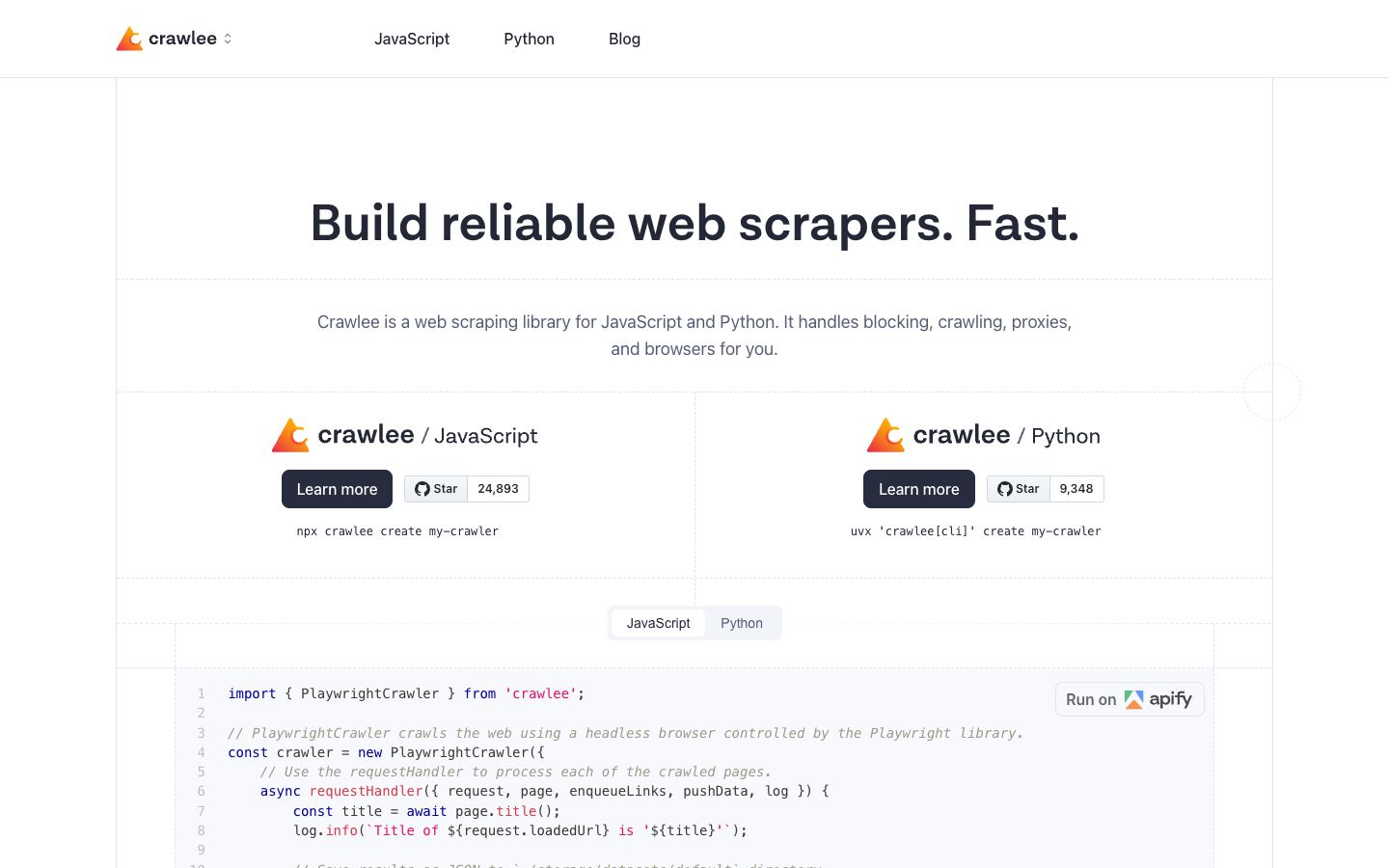
  3. Crawlee is a scraping-focused library that can run on top of Playwright, adding request queuing and anti-blocking helpers that Playwright doesn't provide on its own.

    Crawlee website

How Playwright compares

The dimensions below summarise where Playwright sits versus the 3 alternatives on each axis that typically drives a switch decision.

Pricing posture
Every listed alternative is at Playwright's price tier or above. Switching for cost alone won't help.
Open source coverage
Playwright is commercial, every listed alternative is open source. Migration trades convenience for control.
Free entry tier
Every alternative offers a free or freemium tier. Each is testable without procurement.
JS rendering
Playwright renders JavaScript and so do all alternatives. Anti-bot posture is the differentiator, not rendering.
Structured output
Neither Playwright nor the alternatives return structured output natively. Plan for an extraction layer either way.
Self-hosting
Playwright self-hosts and so does every alternative. Pick on ecosystem fit, not deployment model.

Reviewing Playwright itself?

Our full Playwright review covers pricing, features, and editorial assessment in detail. Read the Playwright review

Other crawling frameworks alternatives

Playwright is one of 12 crawling frameworks with a dedicated alternatives breakdown. If you're still narrowing the shortlist, the comparisons below cover the same category from a different anchor tool.

Frequently asked questions

What are the best alternatives to Playwright?

The leading alternatives to Playwright include Puppeteer, Selenium, Crawlee. Each takes a different approach to crawling frameworks, and the right choice depends on your pricing tolerance, feature requirements, and integration constraints.

Which Playwright alternative is cheapest?

Puppeteer is fully free. Puppeteer is Google's Node.js library for driving headless Chrome and Chromium. It's a narrower API, better suited to teams that only need Chromium coverage.

Is Playwright open source? What about its alternatives?

Playwright, Puppeteer, Selenium, Crawlee are open source. The remaining options are commercial hosted services. Open source gives you full control but requires self-hosting and maintenance.

When should I switch from Playwright?

Common reasons to evaluate alternatives: pricing scaling beyond your budget, missing features (JS rendering, structured output, self-hosting), reliability concerns, or vendor risk. The alternatives below differ on these axes – read the editorial assessment to identify which one matches your situation.