Some links on this page are affiliate links. We earn a commission if you sign up – at no additional cost to you. Our editorial assessment is independent and never paid. How we review.
Perplexity Sonar is one of ai extraction tracked in the webscrape.dev directory. This page covers what changes when you pick one of the alternatives below instead of Perplexity Sonar.
Looking at the 3 alternatives below relative to Perplexity Sonar: 3 of the 3 alternatives sit on a cheaper pricing tier than Perplexity Sonar; 3 have a free or freemium tier you can validate without a sales call. The full Perplexity Sonar review covers pricing, features, and editorial assessment in detail – this page is the lateral comparison.
The order below reflects fit for AI product teams, not a ranked-list verdict. Each alternative is reviewed independently in its own directory entry; the prose here summarizes the trade against Perplexity Sonar specifically.
Perplexity Sonar is one of 24 ai extraction with a dedicated alternatives breakdown. If you're still narrowing the shortlist, the comparisons below cover the same category from a different anchor tool.
What are the best alternatives to Perplexity Sonar?
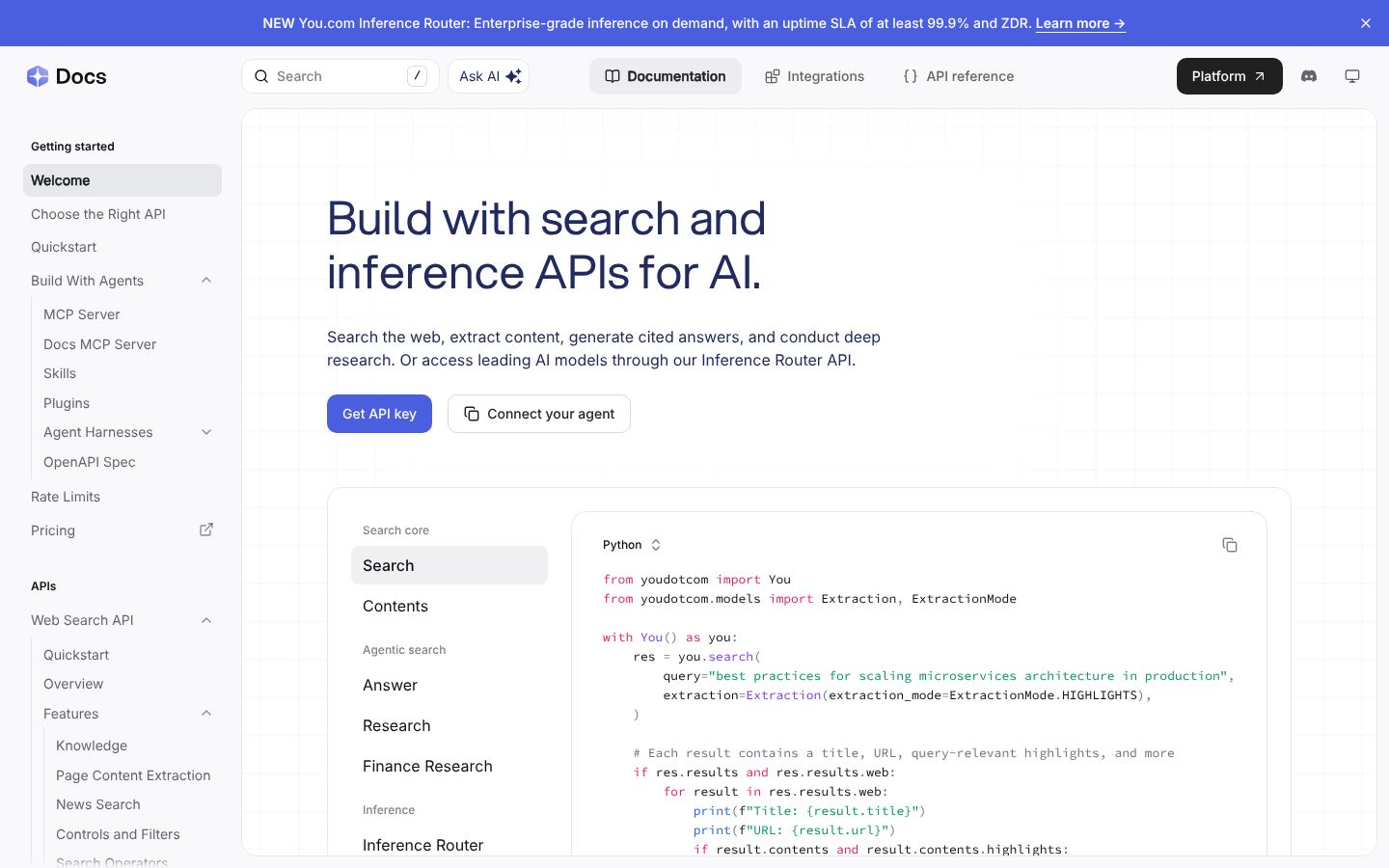
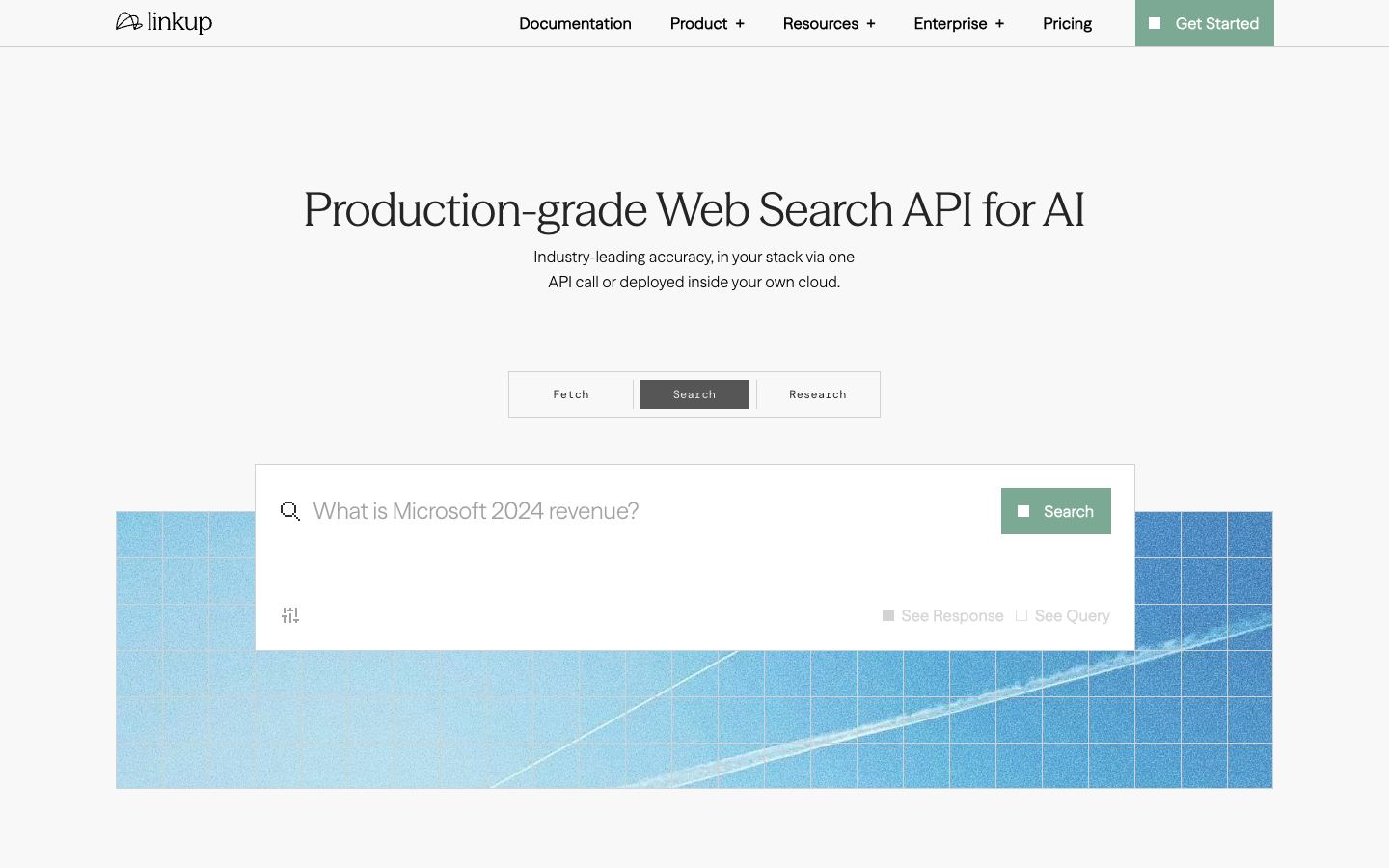
The leading alternatives to Perplexity Sonar include Brave Search API, You.com, Linkup. Each takes a different approach to ai extraction, and the right choice depends on your pricing tolerance, feature requirements, and integration constraints.
Which Perplexity Sonar alternative is cheapest?
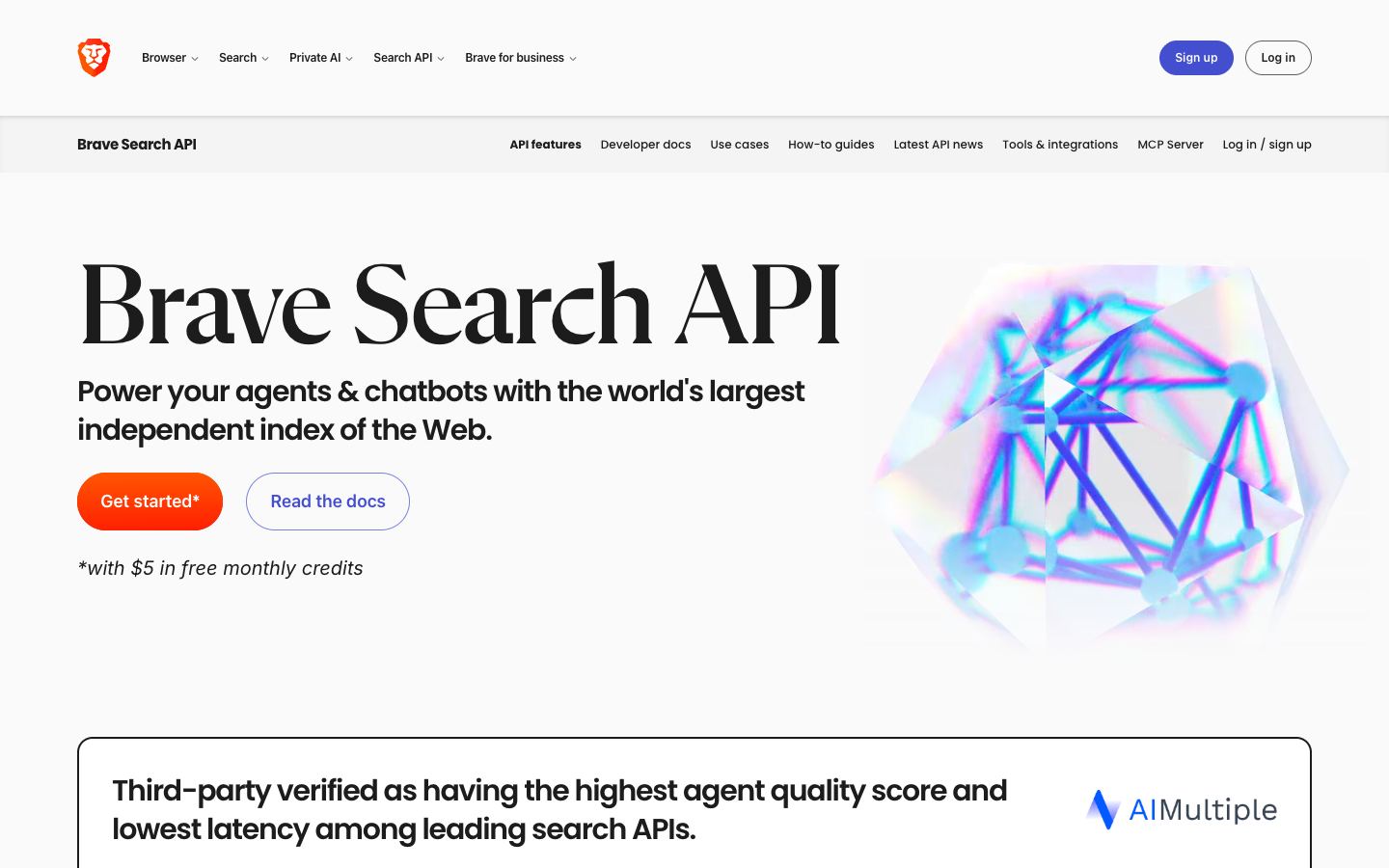
Brave Search API offers a free tier. Brave Search API is the other main independent index sold as raw results by the request.
Is Perplexity Sonar open source? What about its alternatives?
Neither Perplexity Sonar nor its listed alternatives are open source – all are commercial hosted services. If open source is a hard requirement, browse our open-source frameworks category.
When should I switch from Perplexity Sonar?
Common reasons to evaluate alternatives: pricing scaling beyond your budget, missing features (JS rendering, structured output, self-hosting), reliability concerns, or vendor risk. The alternatives below differ on these axes – read the editorial assessment to identify which one matches your situation.